





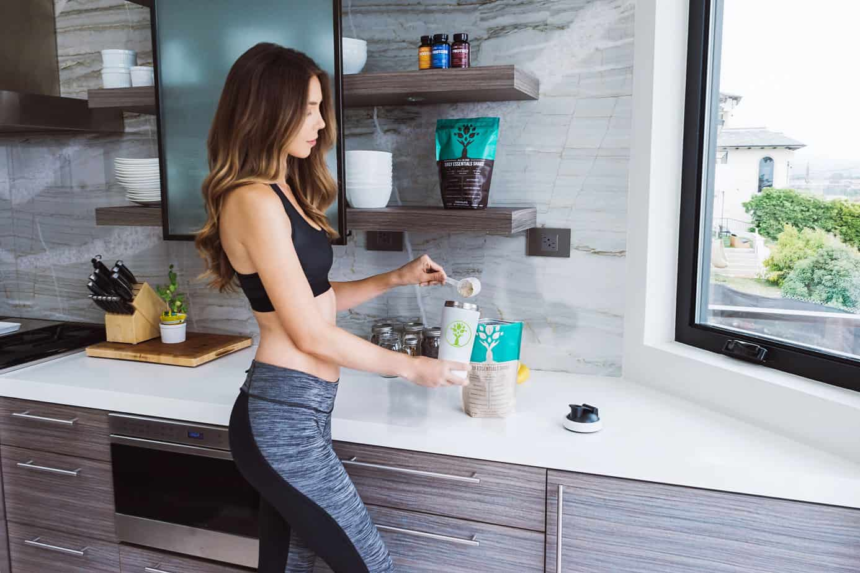
In today’s fast-paced world, many of us spend a large part of our time at home. Whether you work remotely, study, or manage your household, your home environment has a powerful effect on your lifestyle. Improving your lifestyle doesn’t always require big changes or expensive upgrades. Small, thoughtful adjustments can make your daily life healthier, happier, and more productive.
- 1. Start Your Day with a Healthy Routine
- 2. Keep Your Home Clean and Organized
- 3. Create a Comfortable Living Space
- 4. Eat Healthy Meals at Home
- 5. Stay Physically Active
- 6. Limit Screen Time
- 7. Build Healthy Sleep Habits
- 8. Practice Mindfulness and Relaxation
- 9. Stay Connected with Loved Ones
- 10. Learn New Skills or Hobbies
- 11. Manage Your Time Wisely
- 12. Maintain Personal Hygiene
- 13. Reduce Stress and Stay Positive
- 14. Improve Your Home Environment
- 15. Set Personal Goals
Let’s explore simple and practical ways to improve your lifestyle at home.
1. Start Your Day with a Healthy Routine
Your morning sets the tone for your entire day. Instead of rushing out of bed and checking your phone immediately, try to build a calm and positive routine.
Wake up at a consistent time, drink a glass of water, and stretch your body. Even five to ten minutes of light exercise or deep breathing can boost your energy. A healthy breakfast is also important. It fuels your body and helps you stay focused.
A good morning routine doesn’t have to be perfect—it just needs to be consistent.
2. Keep Your Home Clean and Organized
A messy home can lead to stress and distraction. On the other hand, a clean and organized space creates a peaceful environment.
Start small. Clean one room at a time. Declutter items you no longer use. Arrange your furniture in a way that makes your space feel open and comfortable.
You don’t need a fancy setup. Even simple changes like making your bed daily, organizing your desk, or keeping your kitchen clean can improve your mood and productivity.
3. Create a Comfortable Living Space
Your home should feel like a place where you can relax and recharge. Pay attention to comfort.
Use soft lighting instead of harsh lights. Add cushions, rugs, or curtains to make your space cozy. If possible, let natural light come in—it improves your mood and energy levels.
You can also decorate your space with plants, photos, or artwork that makes you happy. A comfortable environment supports a better lifestyle.
4. Eat Healthy Meals at Home
One of the biggest advantages of staying at home is having control over your food. Instead of relying on fast food or unhealthy snacks, try cooking simple and nutritious meals.
Include fruits, vegetables, whole grains, and proteins in your diet. Drink enough water throughout the day.
Cooking at home not only improves your health but also saves money and gives you a sense of satisfaction.
5. Stay Physically Active
Many people become less active when they stay at home. But physical activity is essential for a healthy lifestyle.
You don’t need a gym. You can do simple exercises like stretching, yoga, or bodyweight workouts at home. Even walking around your house, climbing stairs, or dancing to music counts as movement.
Try to stay active for at least 20–30 minutes a day. It helps your body stay fit and your mind stay fresh.
6. Limit Screen Time
Technology is useful, but too much screen time can affect your mental and physical health.
Spending long hours on your phone, computer, or TV can lead to eye strain, poor sleep, and lack of focus.
Set limits for screen usage. Take breaks every hour. Try to avoid screens before bedtime. Instead, use that time to relax, read, or spend time with family.
7. Build Healthy Sleep Habits
Good sleep is one of the most important parts of a healthy lifestyle.
Try to sleep and wake up at the same time every day. Make your bedroom quiet, dark, and comfortable. Avoid caffeine or heavy meals before bedtime.
A relaxing bedtime routine—like reading a book or listening to calm music—can help you sleep better.
When you sleep well, you feel more energetic, focused, and positive.
8. Practice Mindfulness and Relaxation
Mental health is just as important as physical health. Living at home gives you the opportunity to slow down and focus on your inner peace.
Practice mindfulness by being present in the moment. You can try meditation, deep breathing, or simply sitting quietly for a few minutes.
Journaling your thoughts or expressing gratitude daily can also improve your emotional well-being.
9. Stay Connected with Loved Ones
Even if you spend most of your time at home, staying connected with others is important.
Talk to your family members, share meals, and spend quality time together. If your loved ones live far away, call or message them regularly.
Strong relationships bring happiness and support, which are key parts of a healthy lifestyle.
10. Learn New Skills or Hobbies
Your home can be a place of growth and creativity. Use your free time to learn something new.
You can try cooking new recipes, reading books, painting, gardening, or even learning online skills.
Hobbies reduce stress, improve creativity, and make life more enjoyable.
11. Manage Your Time Wisely
When you stay at home, it’s easy to lose track of time. Creating a daily schedule can help you stay organized.
Divide your day into time for work, relaxation, exercise, and personal activities. Set small goals and complete them step by step.
Good time management reduces stress and increases productivity.
12. Maintain Personal Hygiene
Taking care of your body is essential, even when you’re at home all day.
Shower regularly, wear clean clothes, and maintain basic hygiene habits. It may seem simple, but it has a strong impact on your confidence and mood.
When you feel clean and fresh, you feel more motivated and positive.
13. Reduce Stress and Stay Positive
Life can be stressful, but your home should be a place of peace.
Avoid negative thoughts and focus on things you can control. Take breaks when needed. Listen to music, watch something enjoyable, or spend time doing what you love.
Keeping a positive mindset helps you handle challenges better.
14. Improve Your Home Environment
Small improvements in your home environment can make a big difference.
Ensure proper ventilation and fresh air. Keep your surroundings quiet and comfortable. Reduce noise and distractions.
A healthy environment supports both physical and mental well-being.
15. Set Personal Goals
Improving your lifestyle is a journey. Setting goals can give you direction.
Your goals can be simple, like drinking more water, exercising daily, or learning a new skill.
Track your progress and celebrate small achievements. This keeps you motivated and focused.
Conclusion
Improving your lifestyle at home doesn’t require major changes. It’s about building small, healthy habits and creating a positive environment.
By taking care of your body, mind, and surroundings, you can turn your home into a place of comfort, growth, and happiness.
Start with one or two changes today, and slowly build a better lifestyle over time.
FAQs
1. How can I improve my lifestyle without spending money?
You can improve your lifestyle by creating routines, staying active, eating home-cooked meals, and keeping your space clean. These changes don’t require money—just consistency.
2. What is the best daily habit to start with?
Starting your day with a healthy morning routine is one of the best habits. It helps you feel organized, calm, and ready for the day.
3. How can I stay active at home?
You can do simple exercises like stretching, yoga, walking, or dancing. Even small movements throughout the day make a difference.
4. Why is a clean home important for lifestyle improvement?
A clean home reduces stress, improves focus, and creates a peaceful environment. It helps you feel more comfortable and productive.
5. How long does it take to see lifestyle improvements?
You can start feeling better within a few days of making small changes. However, long-term improvements come with consistent habits over time.