




Photography is more than just taking pictures. It is a creative skill, a form of storytelling, and for many people, a full-time career. Today, almost everyone has a camera in their phone, but becoming a professional photographer requires much more than clicking random photos. It needs learning, practice, patience, and passion.
- Step 1: Understand What Photography Really Is
- Step 2: Learn the Basics of Photography
- Step 3: Get a Camera (But Start Simple)
- Step 4: Practice Every Day
- Step 5: Learn Photo Editing
- Step 6: Build a Photography Style
- Step 7: Take Online Courses and Learn from Others
- Step 8: Create a Portfolio
- Step 9: Start Working on Real Projects
- Step 10: Learn Business Skills
- Step 11: Invest in Better Equipment (Slowly)
- Step 12: Stay Consistent and Keep Learning
- Conclusion
If you are dreaming of becoming a professional photographer, this guide will walk you through everything step by step in a simple and easy way.
Step 1: Understand What Photography Really Is
Before you start learning camera settings or buying expensive equipment, you need to understand what photography actually means.
Photography is the art of capturing light to create images. A professional photographer does not just take pictures—they tell stories, capture emotions, and create meaningful visuals.
Ask yourself:
- Do I enjoy capturing moments?
- Am I interested in learning creative skills?
- Can I spend time practicing regularly?
If your answer is yes, then you are ready to begin.
Step 2: Learn the Basics of Photography
The first real step is learning the basic concepts. These include:
1. Exposure
Exposure means how bright or dark your photo is. It depends on three things:
- Aperture (how open your lens is)
- Shutter speed (how fast the camera captures light)
- ISO (camera sensitivity to light)
2. Composition
Composition is how you arrange objects in your photo. A good composition makes your picture attractive. A popular rule is the “rule of thirds,” where you divide the frame into nine parts and place the subject in important spots.
3. Lighting
Light is the most important part of photography. Natural light, like sunlight, is often the best for beginners.
Learning these basics will give you a strong foundation.
Step 3: Get a Camera (But Start Simple)
Many beginners think they need a very expensive camera. That is not true.
You can start with:
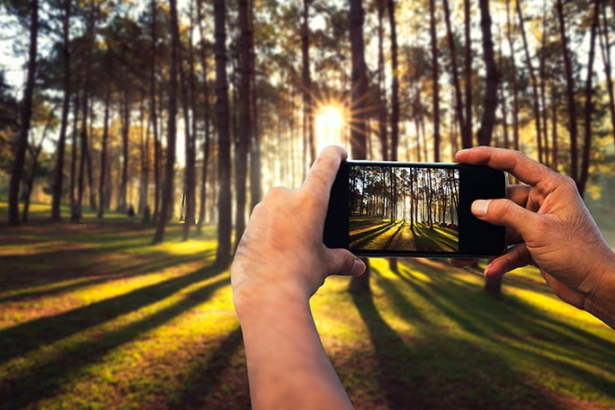
- A smartphone camera
- A basic DSLR camera
- A mirrorless camera
What matters more than the camera is your skill. Even professional photographers sometimes use simple tools when needed.
Focus on learning before spending too much money.
Step 4: Practice Every Day
Photography is a skill that improves with practice. Try to take photos every day, even if it is just at home or outside your window.
You can practice:
- Taking pictures of nature
- Capturing people (friends or family)
- Shooting objects around you
- Trying different lighting conditions
The more you practice, the better your eye becomes for good photos.
Step 5: Learn Photo Editing
Professional photography is not just about taking pictures—it also includes editing.
Editing helps improve colors, brightness, and details in your image. Some popular editing tools include:
- Adobe Lightroom
- Adobe Photoshop
- Snapseed (mobile app)
Start with simple edits like:
- Adjusting brightness
- Fixing colors
- Cropping images
Do not over-edit your photos. Keep them natural and clean.
Step 6: Build a Photography Style
Every professional photographer has a unique style. Some focus on portraits, others on landscapes, fashion, weddings, or wildlife.
Try different types of photography and see what you enjoy most:
- Portrait photography
- Street photography
- Nature photography
- Product photography
- Event photography
Over time, your personal style will develop naturally.
Step 7: Take Online Courses and Learn from Others
You don’t need a formal degree to become a photographer, but learning from experts can help a lot.
You can:
- Watch YouTube tutorials
- Take online photography courses
- Read photography blogs
- Follow professional photographers on social media
Learning from others will help you avoid mistakes and grow faster.
Step 8: Create a Portfolio
A portfolio is a collection of your best work. It shows your skills to clients or employers.
To build a good portfolio:
- Select your best photos only
- Keep it organized and clean
- Show different types of photography
- Update it regularly
You can also create a simple Instagram page or website to showcase your work.
Step 9: Start Working on Real Projects
Once you have basic skills, start working on real projects. This is where you gain experience.
You can:
- Take photos for friends and family events
- Offer free photography services at first
- Work with small businesses
- Cover local events
Real-world experience will improve your confidence and skills quickly.
Step 10: Learn Business Skills
If you want to become a full-time professional photographer, you also need business skills.
You should learn:
- How to talk to clients
- How to set prices
- How to promote your work
- How to manage time and projects
Photography is not just art—it is also a business.
Step 11: Invest in Better Equipment (Slowly)
As you grow, you can upgrade your equipment. But do it step by step.
You may invest in:
- A better DSLR or mirrorless camera
- Different lenses (portrait, zoom, wide-angle)
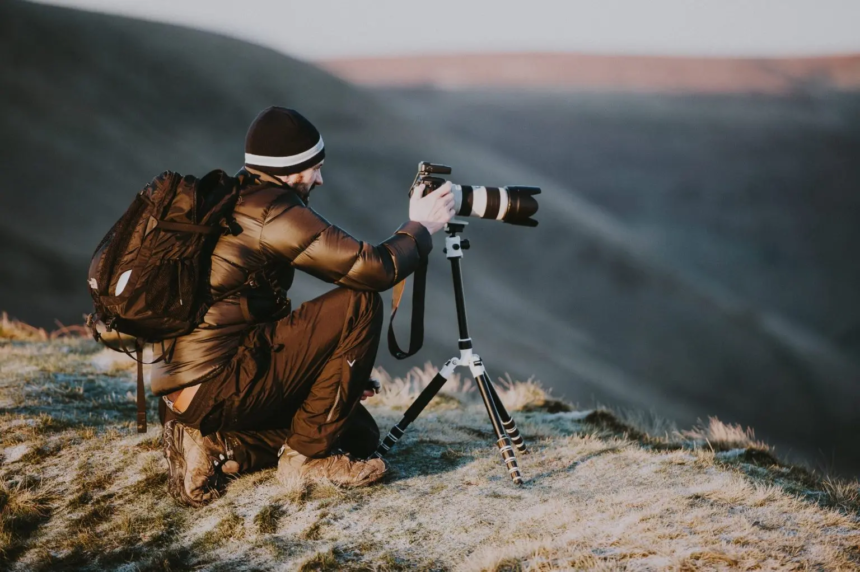
- Tripod for stability
- Lighting equipment
Only buy gear when you truly need it.
Step 12: Stay Consistent and Keep Learning
Photography is a journey, not a quick success. Even professionals keep learning new techniques.
Stay consistent:
- Keep practicing
- Try new styles
- Learn from mistakes
- Stay updated with trends
The more effort you put in, the better you become.
Conclusion
Becoming a professional photographer is not an overnight process. It requires patience, creativity, and dedication. You don’t need expensive gear at the start. What you really need is passion and consistency.
Start small, learn step by step, practice daily, and slowly build your skills. Over time, your hobby can turn into a successful career.
Remember, every expert photographer was once a beginner.
FAQs
1. Do I need a degree to become a professional photographer?
No, a degree is not required. Skills, practice, and a strong portfolio are more important than formal education.
2. Can I become a photographer using a phone camera?
Yes, many professionals started with smartphone photography. The key is understanding lighting and composition.
3. How long does it take to become a professional photographer?
It depends on your effort. With regular practice, you can start working professionally in 1–2 years.
4. Is photography a good career option?
Yes, photography can be a very good career if you are creative, patient, and willing to learn business skills.
5. What is the most important skill in photography?
The most important skill is observation—seeing light, angles, and moments that others may not notice.