




In a world full of fast fashion, overflowing closets, and constant trends, the idea of a minimalist wardrobe feels like a breath of fresh air. But many people assume that “minimalist” means expensive or unattainable. The truth is, you don’t need a big budget to build a simple, stylish, and functional wardrobe. With the right approach, you can create a collection of clothes that saves money, reduces stress, and still looks great.
- What Is a Minimalist Wardrobe?
- Step 1: Understand Your Lifestyle First
- Step 2: Clean Out Your Current Closet
- Step 3: Build Around Basics
- Step 4: Choose Neutral Colors
- Step 5: Shop Smart, Not Expensive
- 1. Thrift Stores and Secondhand Shops
- 2. Sales and Discounts
- 3. Buy Less, Choose Better
- 4. Avoid Trendy Pieces
- Step 6: Focus on Fit and Comfort
- Step 7: Create Outfit Combinations
- Step 8: Take Care of Your Clothes
- Step 9: Avoid Impulse Buying
- Step 10: Build Slowly and Stay Flexible
- Benefits of a Minimalist Wardrobe
- Common Mistakes to Avoid
- Final Thoughts
- FAQs
Let’s walk through how you can build a minimalist wardrobe on a budget in a practical, realistic, and human way.
What Is a Minimalist Wardrobe?
A minimalist wardrobe is a small collection of versatile clothing pieces that you truly love and wear regularly. Instead of having dozens of items you rarely touch, you focus on fewer, high-use items that mix and match easily.
This doesn’t mean boring or dull. It means intentional. Every piece has a purpose.
Step 1: Understand Your Lifestyle First
Before buying or removing anything, take a moment to think about your daily life.
Ask yourself:
- Do I mostly stay at home, go to work, or attend events?
- What type of clothes do I wear most often?
- What makes me feel comfortable and confident?
Your wardrobe should match your real life—not your “ideal” life. For example, if you rarely attend formal events, you don’t need five fancy outfits.
Step 2: Clean Out Your Current Closet
This step is free—and powerful.
Take everything out of your closet and go through each item. Divide them into categories:
- Keep
- Donate
- Sell
- Repair
Keep only the items that:
- Fit you well
- You actually wear
- Make you feel good
Be honest with yourself. If you haven’t worn something in a year, chances are you won’t wear it again.
Step 3: Build Around Basics
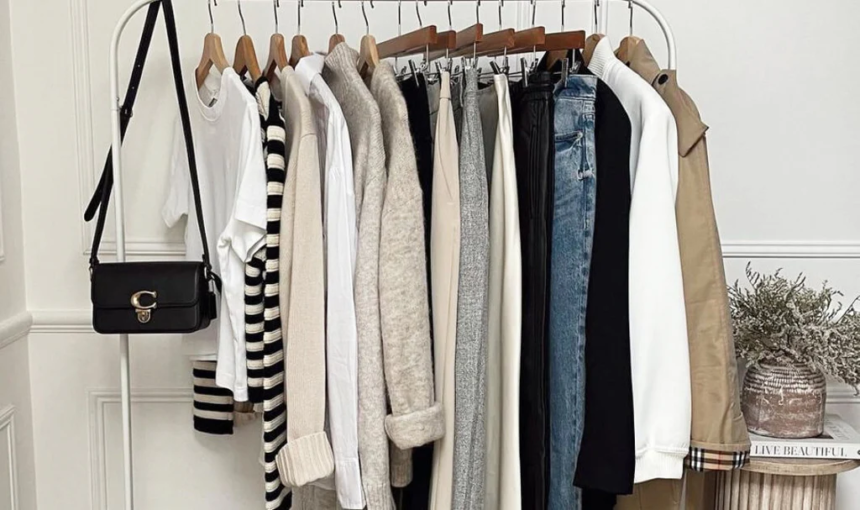
A minimalist wardrobe starts with basics—simple, timeless pieces that can be styled in many ways.
Some essential items might include:
- Plain t-shirts (neutral colors like black, white, grey)
- A good pair of jeans
- Comfortable trousers
- A versatile jacket
- A few modest shirts or tops
- One or two pairs of shoes
You don’t need everything at once. Start small and build gradually.
Step 4: Choose Neutral Colors
Neutral colors make mixing and matching easy. This means fewer clothes, more outfit combinations.
Good base colors include:
- Black
- White
- Grey
- Beige
- Navy
Once you have a neutral base, you can add one or two accent colors if you like. This keeps your wardrobe interesting without becoming overwhelming.
Step 5: Shop Smart, Not Expensive
Building a wardrobe on a budget doesn’t mean buying cheap, low-quality clothes. It means spending wisely.
Here’s how you can do it:
1. Thrift Stores and Secondhand Shops
You can find amazing quality items at very low prices. Many clothes are barely used.
2. Sales and Discounts
Wait for seasonal sales. Don’t rush into buying full-price items unless necessary.
3. Buy Less, Choose Better
Instead of buying five cheap shirts, buy one good-quality shirt that lasts longer.
4. Avoid Trendy Pieces
Trendy clothes go out of style quickly. Stick to timeless designs.
Step 6: Focus on Fit and Comfort
No matter how stylish something is, if it doesn’t fit well, you won’t wear it.
Pay attention to:
- Proper sizing
- Comfortable fabrics
- Ease of movement
You don’t need designer clothes—just clothes that feel right on your body.
Step 7: Create Outfit Combinations
A great minimalist wardrobe allows you to create multiple outfits from a few items.
Try this:
- One shirt + different pants = multiple looks
- One jacket over different outfits = fresh style
When buying something new, ask yourself:
“Can I wear this with at least 3 things I already own?”
If the answer is no, think twice.
Step 8: Take Care of Your Clothes
Saving money isn’t just about buying less—it’s also about making things last.
Simple habits:
- Wash clothes properly
- Avoid over-washing
- Store items neatly
- Repair small damages instead of throwing away
Good care can double the life of your clothes.
Step 9: Avoid Impulse Buying
This is one of the biggest money-wasters.
Before buying something, pause and ask:
- Do I really need this?
- Will I wear it often?
- Does it match my current wardrobe?
If you’re unsure, wait a few days. If you still want it, then consider buying.
Step 10: Build Slowly and Stay Flexible
You don’t need to create a perfect wardrobe overnight. Minimalism is a journey, not a race.
Start with what you have. Improve step by step.
Your style may also change over time—and that’s okay. Adjust your wardrobe as your life evolves.
Benefits of a Minimalist Wardrobe
Building a minimalist wardrobe on a budget comes with real advantages:
- Saves money
- Saves time getting dressed
- Reduces stress and clutter
- Makes your style more consistent
- Helps you focus on what truly matters
It’s not just about clothes—it’s about simplifying your life.
Common Mistakes to Avoid
- Buying too much at once
- Following trends blindly
- Ignoring comfort
- Keeping clothes “just in case”
- Thinking minimalism means boring
Minimalism should feel freeing—not restrictive.
Final Thoughts
You don’t need a lot of money or a huge closet to look good and feel confident. A minimalist wardrobe is about making smarter choices, not more expensive ones.
Start small. Stay intentional. Choose what works for you.
In the end, it’s not about having less—it’s about having enough.
FAQs
1. How many clothes should be in a minimalist wardrobe?
There is no fixed number. Some people have 20 items, others have 40. The goal is to keep only what you truly use and love.
2. Can I still follow fashion trends with a minimalist wardrobe?
Yes, but in moderation. You can add one or two trendy items while keeping most of your wardrobe timeless.
3. Is a minimalist wardrobe boring?
Not at all. It can actually make your style more clear and confident because every piece is chosen carefully.
4. How do I start if I have a very small budget?
Start by using what you already have. Then slowly add affordable, high-quality pieces from thrift stores or sales.
5. What if my weight or size changes?
Keep a few flexible pieces, but avoid holding onto too many “just in case” clothes. Adjust your wardrobe as needed over time.