



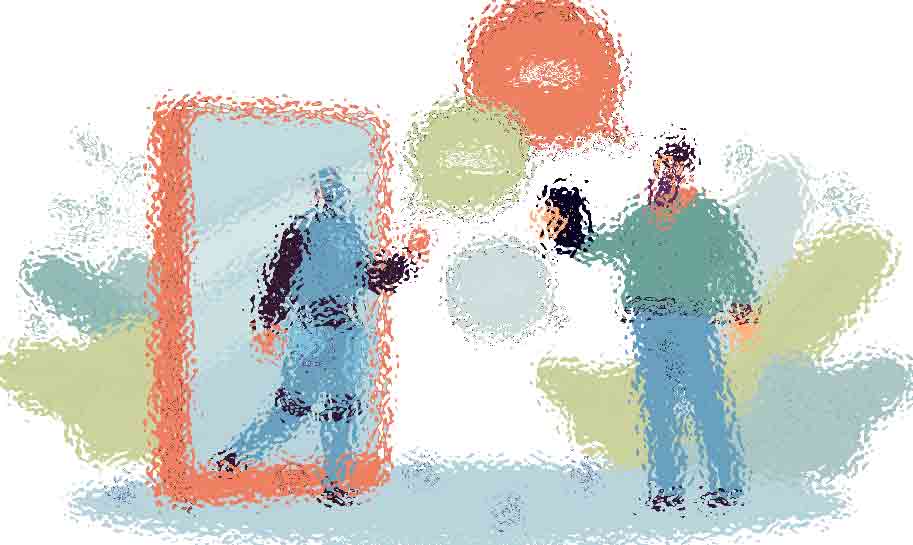

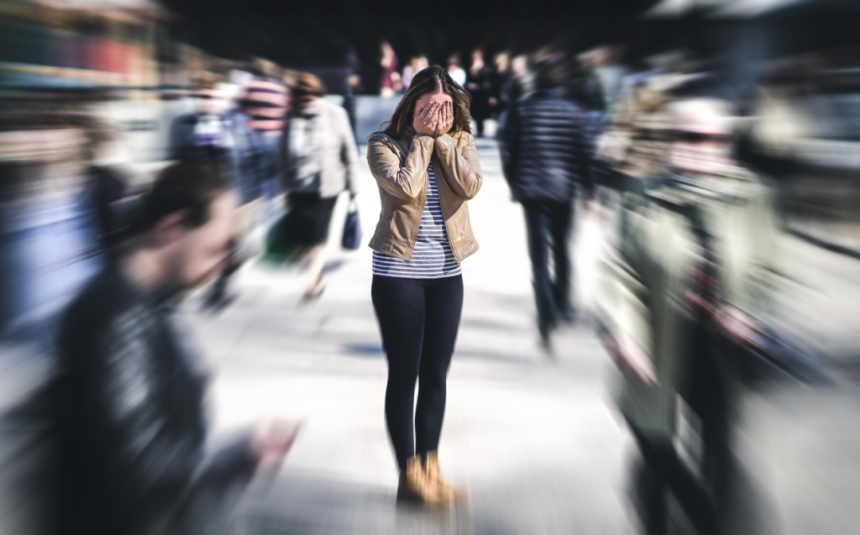
Social anxiety is something many people quietly struggle with every day. It can make simple things—like talking to a cashier, walking into a crowded room, or speaking in front of others—feel overwhelming. If you’ve ever felt your heart race, your hands shake, or your mind go blank in public, you’re not alone. The good news is that social anxiety is manageable, and with the right approach, you can slowly build confidence and feel more comfortable in public places.
- Understanding Social Anxiety
- Start Small, Not Big
- Practice Deep Breathing
- Challenge Negative Thoughts
- Focus on Others, Not Yourself
- Prepare for Social Situations
- Accept That Imperfection is Normal
- Gradual Exposure is Key
- Build Self-Confidence
- Use Positive Visualization
- Limit Overthinking After Events
- Take Care of Your Body
- Practice Regularly
- When to Seek Help
- 1. Can social anxiety go away completely?
- 2. How long does it take to overcome social anxiety?
- 3. Is avoiding social situations helpful?
- 4. Can I overcome social anxiety without therapy?
- 5. What should I do if I panic in public?
- Final Thoughts
This article will guide you through practical, easy-to-follow ways to overcome social anxiety in a natural and human way.
Understanding Social Anxiety
Before trying to overcome social anxiety, it’s important to understand what it really is. Social anxiety is the fear of being judged, embarrassed, or negatively evaluated by others. It often comes with overthinking, self-doubt, and imagining worst-case scenarios.
For example, you might think:
- “Everyone is watching me.”
- “I’m going to say something stupid.”
- “People will laugh at me.”
In reality, most people are focused on themselves, not on judging you. Recognizing this is the first step toward change.
Start Small, Not Big
One of the biggest mistakes people make is trying to overcome social anxiety all at once. This can make things worse. Instead, start with small, manageable steps.
For example:
- Smile at someone while walking by
- Say “thank you” to a shopkeeper
- Ask a simple question like “What time is it?”
These small interactions may seem simple, but they help train your brain to feel safe in social situations. Over time, these small wins build confidence.
Practice Deep Breathing
When anxiety hits, your body reacts physically. Your breathing becomes fast, your heart beats quickly, and you may feel dizzy. Deep breathing can help calm your body.
Try this simple technique:
- Breathe in slowly for 4 seconds
- Hold for 4 seconds
- Breathe out slowly for 6 seconds
Repeat this a few times before entering a public place. It helps your body relax and reduces panic.
Challenge Negative Thoughts
Social anxiety often grows from negative thinking. Your mind may tell you things that are not true.
For example:
- “Everyone is judging me”
- “I will embarrass myself”
Ask yourself:
- Is this really true?
- What proof do I have?
- What’s the worst that can happen?
Most of the time, you’ll realize your fears are exaggerated. Replace negative thoughts with more realistic ones like:
- “People are busy with their own lives.”
- “It’s okay to make mistakes.”
Focus on Others, Not Yourself
When you feel anxious, your attention turns inward. You start thinking about how you look, how you sound, and what others think about you. This increases anxiety.
Instead, shift your focus outward:
- Listen carefully to what others are saying
- Observe your surroundings
- Ask questions in conversations
When you focus on others, you stop overthinking about yourself, and conversations feel more natural.
Prepare for Social Situations
Preparation can reduce anxiety. If you know you’re going to a public place, think ahead.
For example:
- Plan what you might say in common situations
- Practice introductions
- Think of simple conversation topics
This doesn’t mean memorizing scripts, but having a rough idea can make you feel more confident.
Accept That Imperfection is Normal
Nobody is perfect. Everyone makes mistakes, forgets words, or says awkward things sometimes. The difference is that confident people don’t overthink these moments.
If something awkward happens:
- Laugh it off
- Move on
- Don’t replay it in your mind
Most people forget these moments quickly. You should too.
Gradual Exposure is Key
Avoiding social situations may feel safe, but it actually makes anxiety stronger. The more you avoid, the more fear grows.
Instead, face situations gradually:
- Start with less stressful environments (like a quiet shop)
- Move to slightly busier places
- Eventually face more challenging situations (like social events)
Each step helps your brain learn that public places are not dangerous.
Build Self-Confidence
Confidence plays a big role in reducing social anxiety. You can build confidence by improving small areas of your life.
Try:
- Dressing in a way that makes you feel good
- Maintaining good posture
- Practicing speaking clearly
Also, celebrate your progress. Even small improvements matter.
Use Positive Visualization
Before entering a public place, imagine yourself doing well. Picture yourself speaking confidently, smiling, and feeling relaxed.
Your brain responds to visualization almost like real experience. This can help reduce fear and boost confidence.
Limit Overthinking After Events
After a social interaction, people with anxiety often replay everything in their mind:
- “Why did I say that?”
- “I sounded stupid.”
This habit increases anxiety. Instead:
- Remind yourself that the moment has passed
- Focus on what went well
- Avoid analyzing every detail
Letting go is an important part of healing.
Take Care of Your Body
Your physical health affects your mental health. Simple habits can reduce anxiety:
- Get enough sleep
- Exercise regularly
- Avoid too much caffeine
- Eat balanced meals
A healthy body supports a calmer mind.
Practice Regularly
Overcoming social anxiety is not a one-time fix. It’s a process that requires consistent practice. The more you face social situations, the easier they become.
Be patient with yourself. Progress may be slow, but it is still progress.
When to Seek Help
If social anxiety feels too strong and starts affecting your daily life, it may help to talk to a professional. Therapy, especially cognitive behavioral therapy (CBT), is very effective for social anxiety.
Getting help is a strong and positive step, not a weakness.
FAQs About Overcoming Social Anxiety
1. Can social anxiety go away completely?
Yes, for many people it can reduce significantly or even disappear with practice, therapy, and self-awareness. It may not vanish overnight, but it can become manageable.
2. How long does it take to overcome social anxiety?
It depends on the person. Some people see improvement in weeks, while for others it may take months. Consistency is the key.
3. Is avoiding social situations helpful?
No, avoidance makes anxiety stronger over time. Facing situations gradually is the best approach.
4. Can I overcome social anxiety without therapy?
Yes, many people improve using self-help techniques. However, therapy can speed up progress and provide guidance.
5. What should I do if I panic in public?
Focus on your breathing, remind yourself that the feeling will pass, and try to stay present. Find a quiet place if needed, and give yourself time to calm down.
Final Thoughts
Overcoming social anxiety in public places is possible, but it takes time, patience, and effort. Start small, stay consistent, and be kind to yourself along the way. Every step forward—no matter how small—is a victory.
You don’t need to be perfect. You just need to keep going.